
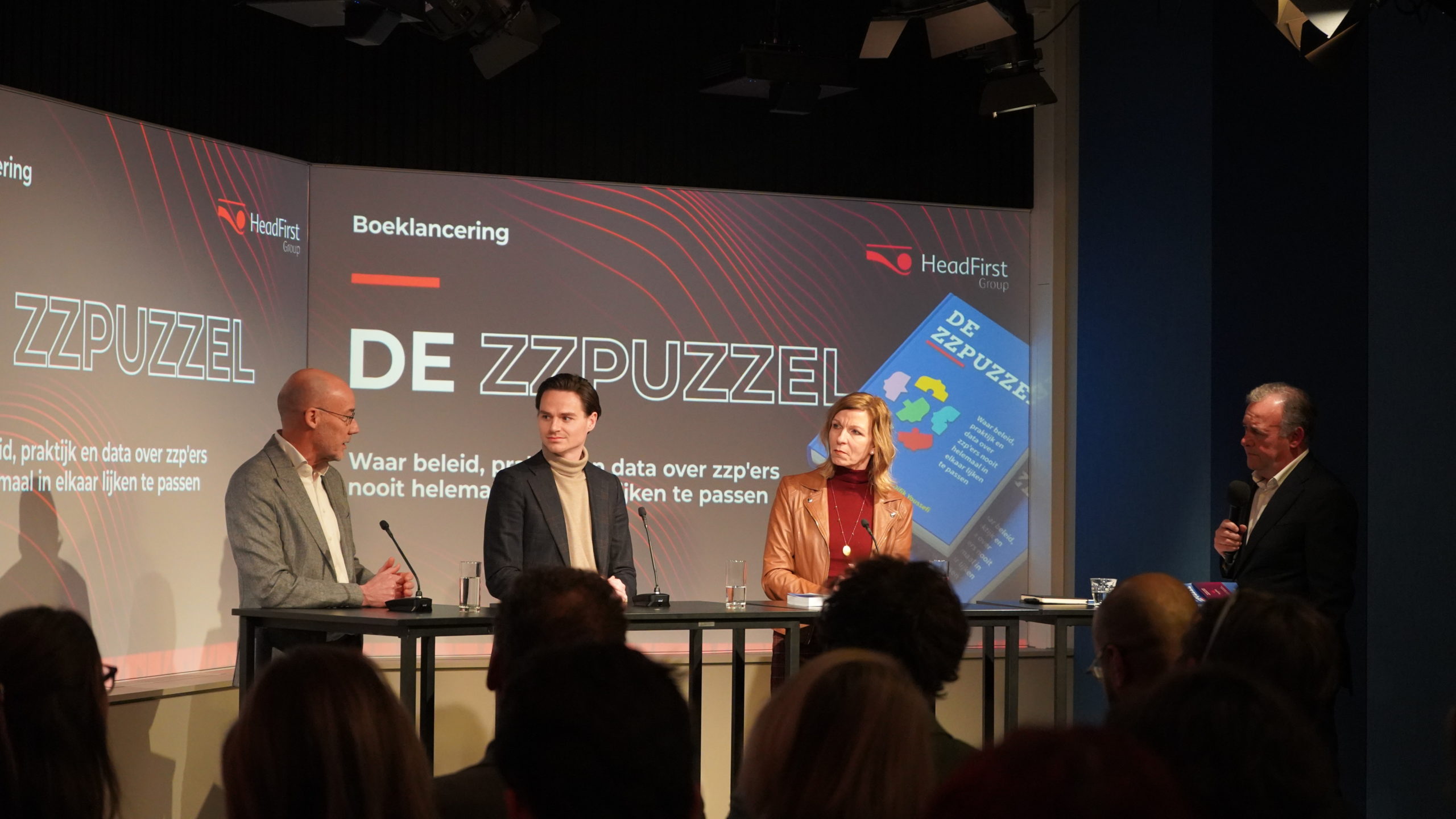
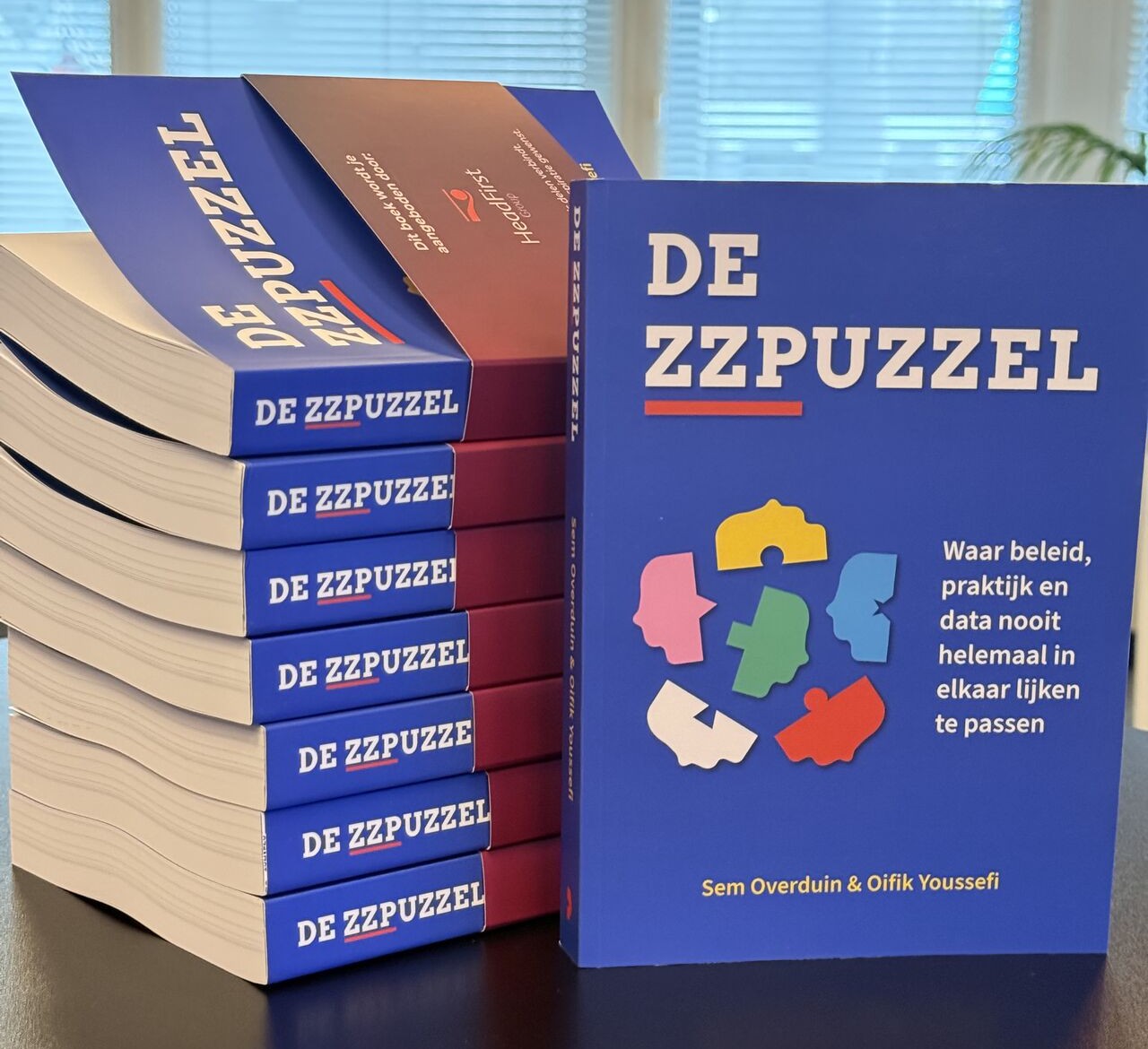
The position of self-employed people in the Netherlands remains a topic of discussion. Increasingly, the question is being asked whether the current polder model is still appropriate for a labor market in which self-employed people play a structural role. This discussion was the focus of a panel with Connie Maathuis, Niels van der Neut, and Hugo Jan Ruts at the book launch ofDe ZZPuzzel(The Self-Employed Puzzle) in Nieuwspoort. The conclusion was crystal clear: the traditional polder model is in need of reform.
Why the polder itself must change
The panel emphasized that change must not come solely from politics. The polder—employers' organizations, industry associations, and trade unions—must also structurally recognize the self-employed as an important pillar of the labor market. Three pain points emerged clearly:
- Self-employed individuals are an essential part of many sectors, from IT and healthcare to business services.
- The traditional "employee versus employer" model no longer fits in with a labor market in which hundreds of thousands of professionals consciously choose independence.
- Self-employed people are still too often only invited to the table "by invitation," which limits their influence.
The panel therefore advocated for a SER 3.0, in which self-employed persons are fully-fledged and structural discussion partners.
Power and responsibility
Niels van der Neut, assistant professor of labor law at the University of Amsterdam, pointed out an uncomfortable truth: a permanent place for self-employed workers means that traditional parties will have to relinquish power. This raises difficult questions:
- Who decides which self-employed organizations are invited to the table?
- What does this mean for the influence of employer and employee representatives?
- Who dares to really set the reform process in motion?
Van der Neut: “The polder will not do this on its own. Parties must voluntarily relinquish power — something that rarely happens spontaneously. It requires political choices and administrative courage.”
The SER model 3.0: contours of change
According to the panel, a modern SER model should meet the following criteria:
- Self-employed persons have a permanent seat at the table.
- Not as a side seat, but as a fully-fledged third party.
- Broad social representation carries more weight than historical structures.
- Decisions affect employees, employers, and self-employed persons.
This requires institutional reform and a change in mindset: self-employed people should no longer be "invited to join in."
Timing and urgency
With a new cabinet on the horizon and a different approach to the self-employed issue, the topic is back in the spotlight. A future-proof labor market starts with recognition, representation, and a transparent structure in which all workers—permanent, flexible, and self-employed—can truly participate.
Request a free consultation
Questions about this? Please contact us.

Sem Overduin
Public Policy & Affairs Manager
Sem.Overduin@headfirst.nl
Oifik Youssefi
Public Affairs Officer
Oifik.Youssefi@headfirst.nl
Maaike van Driel
Head of Legal
Maaike.vanDriel@headfirst.group
Thomas ten Veldhuijs
Senior Legal Counsel
Thomas.tenVeldhuijs@headfirst.nl