
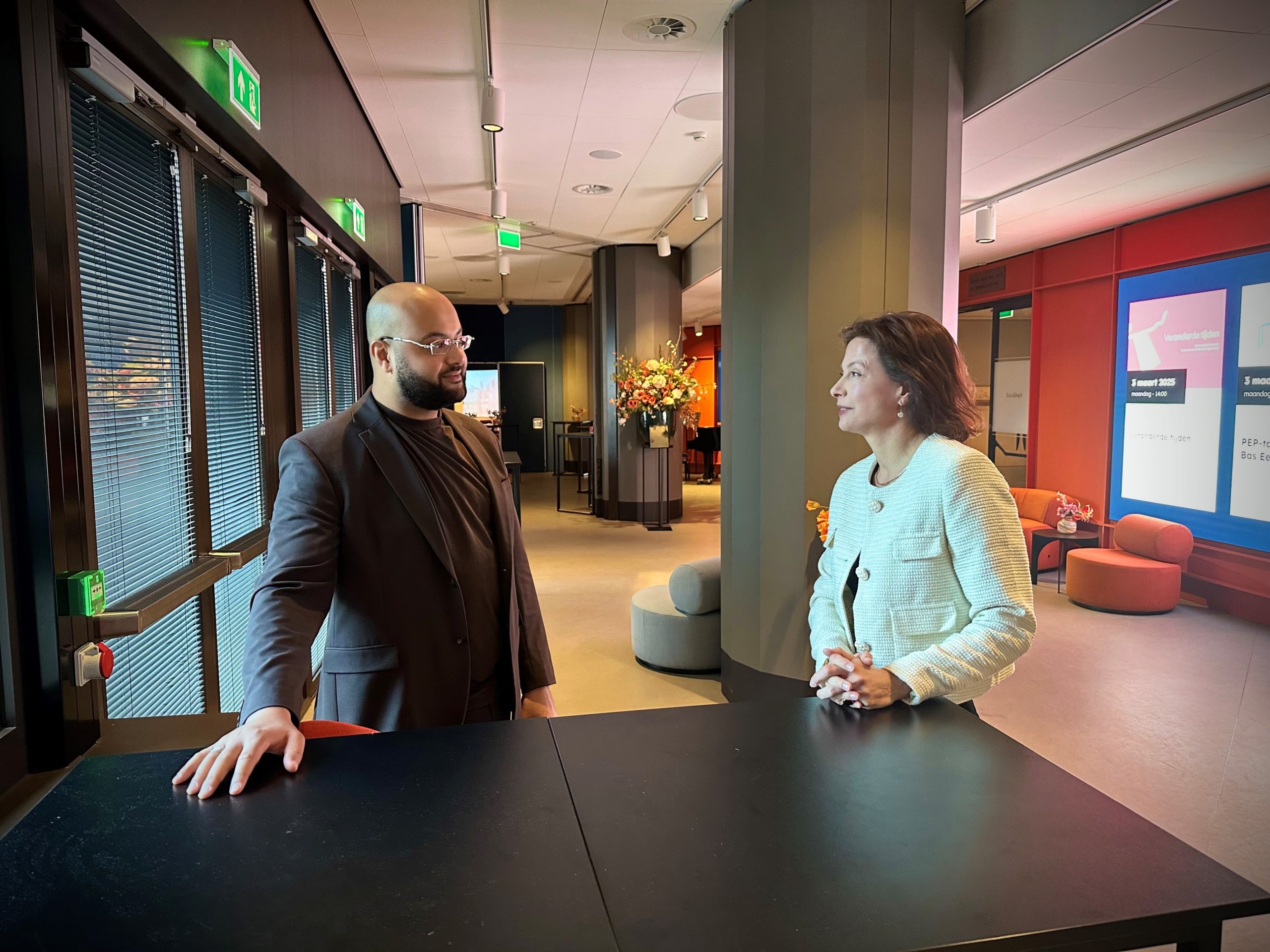
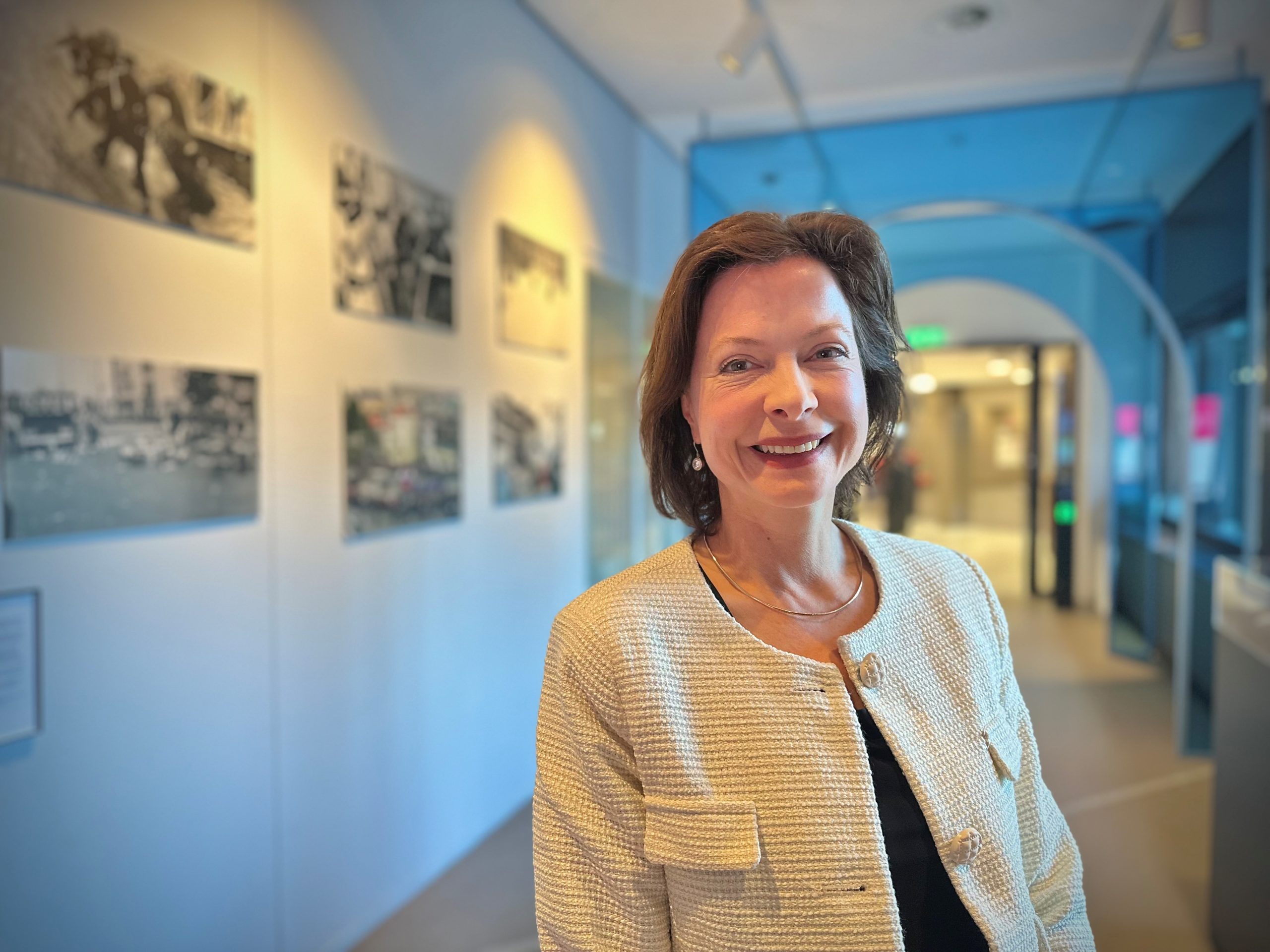
Danielle van Wieringen (Comité ZZP): "Self-employment is a right, not a loophole"
By collecting almost 12,000 signatures in just a few weeks, Comité ZZP has sent a powerful signal to politicians: enforcement on false self-employment is overshooting the mark and threatens the freedom of self-employed entrepreneurs. The fear among freelancers is growing, while clients are increasingly dropping out for fear of legal consequences.
How did this committee come into being? What drives them to get involved in this fight? And how do they prevent their advocacy from being seen as a licence for false self-employment? Oifik Youssefi of the public affairs team at HeadFirst Group spoke with Danielle van Wieringen, co-founder of Comité ZZP, about the impact of enforcement against false self-employment, the negative framing of self-employed workers and why the Netherlands is in urgent need of a simpler and fairer system.
What stories and signals do you hear from fellow entrepreneurs?
Duped people are increasingly approaching us. For example, a music school that depends on zzp teachers no longer dares to hire anyone for fear of the "embedding test. Or a sound engineer who now does not know how to arrange his social security because he has different types of assignments. The system has become too complicated.
Are you concerned about recent developments?
Yes. The policy feels increasingly oppressive and patronizing. Instead of encouraging entrepreneurship, in my view, it is being made more difficult. A healthy economy needs a strong flexible shell, but now it seems like the government is deliberately trying to reduce that shell.
Het comité stelt dat de wet DBA en de handhaving tegen schijnzelfstandigheid hun doel voorbijschieten. Wat is volgens u een beter alternatief?
I don't even know if false self-employment is really such a big problem. I do interim assignments and am sometimes hired temporarily, for example to replace someone on maternity leave; in this there is embedding. Why shouldn't that be allowed? I am in favor of tackling forced self-employment at the bottom of the market, but not against restricting the freedom of genuine self-employed people who consciously choose to be self-employedWe really need to get back to basics: clear and fair rules without unnecessary complexity.
How was the petition received by the House of Representatives?
The Chamber members were not surprised. They sense that there is unrest. This did get the conversation back on track a bit more.
Enforcement on false self-employment is justified in part as protecting vulnerable workers. How does the Committee ensure that their advocacy is not seen as facilitating false self-employment?
We are committed to a fair, simple solution that gives self-employed workers freedom of choice and protects vulnerable workers. The government must stop criminalizing self-employed workers. The problem is not in the self-employed themselves, but in the fact that our system is unnecessarily complex.
There has been criticism that some principals are exploiting the current lack of clarity to cut costs. How does the Committee respond to this?
If you make social premiums paid by default by contractors and simplify the system, that problem is solved. In other countries, such as Belgium and Scandinavia, social premiums are paid by default by contractors. In the Netherlands, the differences between contract types are far too great, making it unnecessarily complex.
What specific changes would you suggest to current laws and regulations? For example, what do you think of the VBAR bill?
The VBAR is yet another step in increasingly tightening labor relations, making it more difficult for the self-employed to be self-employed. This no longer fits the modern economy. Policymakers keep harking back to the labor law of 1907, but the labor market has completely changed in the meantime. We must accept that flexibility is here to stay.
The Supreme Court ruled in the Uber case that the "entrepreneurship" element should be given more weight in assessing the employment relationship. How is the Committee listening to that judgment?
I honestly found it a relief and recognition for being self-employed. I am an autonomous worker and would like to have the space to be able to do that carefree. The nearly 1.8 million self-employed people who consciously choose self-employment should be able to continue to do so.
You guys are talking about a BSN model as a solution. What does that entail?
The idea is simple: based on your BSN number, it reveals how much you earn per year. Based on that, a fixed percentage of social security contributions is withheld. This makes the system much more transparent and fair.
How do you prevent stopping enforcement from leading to structural abuse of false self-employment?
Enforcement should focus on real abuses, not on self-employed people who are voluntarily self-employed. The problem is that the law is now applied too generically.
The Lower House will soon debate the zzp dossier. What would you like to give the MPs?
Independent professionals are the lubricant of the economy. The flexible shell of the labor market is essential for innovation and agility. But if we continue to cling to outdated legislation, the Netherlands risks pricing itself out of the market. I worry about the VBAR: it feels like an oppressive, patronizing measure that does not do justice to the reality of entrepreneurship.
Will the Comité ZZP still draw attention to the upcoming zzp debate?
We came up with an action: #RuimteVoorZZP. The action is all about mobilizing the self-employed and their clients so that politicians see how important the self-employed are to the economy and innovation. We are calling on everyone to join in by posting a joint post on March 12, a 🍓 after their name and sharing personal stories. The goal is to influence legislation and ensure realistic and workable policies for the self-employed.
Request a free consultation

Questions about this? Please contact us.
Sem Overduin
Public Policy & Affairs Manager
Sem.Overduin@headfirst.nl
Oifik Youssefi
Public Affairs Officer
Oifik.Youssefi@headfirst.nl
Maaike van Driel
Head of Legal
Maaike.vanDriel@headfirst.group
Thomas ten Veldhuijs
Senior Legal Counsel
Thomas.tenVeldhuijs@headfirst.nl


Supreme Court: entrepreneurship is full criterion in assessing an employment relationship. What does this mean for the VBAR?
The Supreme Court's recent ruling in the long-running case between FNV and Uber continues the discussion about the assessment of a employment relationship on edge. The court ruled last week that in determining an employment relationship there is no order of precedence between the various criteria, as previously indicated in the now famous Deliveroo-judgment. This means that the element entrepreneurship must be taken into account equally, in addition to the criteria that point to an employment contract. The question is: What impact will this have on the Verduidelijking Beoordeling Arbeidsrelaties en Rechtsverm presumption (VBAR) bill?
Longer discussion about VBAR
The VBAR has long been the subject of debate, with strong criticism that the criterion entrepreneurship 'second-rate' is with respect to the criteria that indicate an employment contract. In the internet consultation (2023) citizens expressed serious concerns about the technical feasibility of the VBAR. Under the current system, the characteristics of employment and the degree of self-employment within the employment relationship. Only then are the entrepreneurial criteria that oversee the person himself (the so-called OP criteria) considered.
Entrepreneurship no longer 'second-class'
The Council of State in November 2024 already gave a critical reflection on the bill, concluding that the VBAR in its current form is not solution for the problems that the government want to solve and that the 'codifying valid law' not for greater clarity will provide. Furthermore, several experts in the field of labor law who previously critical have been critical of the VBAR. Thus argued professor labor law Stefan Sagel that in the current format of the VBAR the entrepreneurial criteria inappropriately wrongly subordinate are gemaakt at with respect to the criteria which belong to the employee status. Also Joost van Ladesteijn, lawyer labor law and partner at Vertex Legal, has on several occasions highlighted brought that 'the external entrepreneurship a full viewpoint is' and that there is "no rank exists between the different viewpoints and criteria when assessing an employment relationship'.

Future of the VBAR uncertain?
On Wednesday, March 12, the House of Representatives will debate the zzp dossier. Following the lifting of the enforcement moratorium on January 1, 2025 and the recent Supreme Court ruling in the FNV/Uber case, it promises to be an interesting period politically. Indeed, the impact of the Supreme Court ruling extends beyond just Uber drivers. The current structure of the VBAR will undoubtedly become a subject of discussion, partly because Minister Van Hijum (SZW) has indicated in previous debates to wait for the Supreme Court ruling.
The coming weeks will be decisive for the further course of the VBAR and the broader discussion on proposals to reform the labor market. Naturally, the Public Affairs team is closely following the political-social discussion.
As a result of this article or the Supreme Court ruling any questions? If so, please contact us at publicaffairs@headfirst.nl
Request a free consultation
Questions about this? Please contact us.
Sem Overduin
Public Policy & Affairs Manager
Sem.Overduin@headfirst.nl
Oifik Youssefi
Public Affairs Officer
Oifik.Youssefi@headfirst.nl
Maaike van Driel
Head of Legal
Maaike.vanDriel@headfirst.group
Thomas ten Veldhuijs
Senior Legal Counsel
Thomas.tenVeldhuijs@headfirst.nl
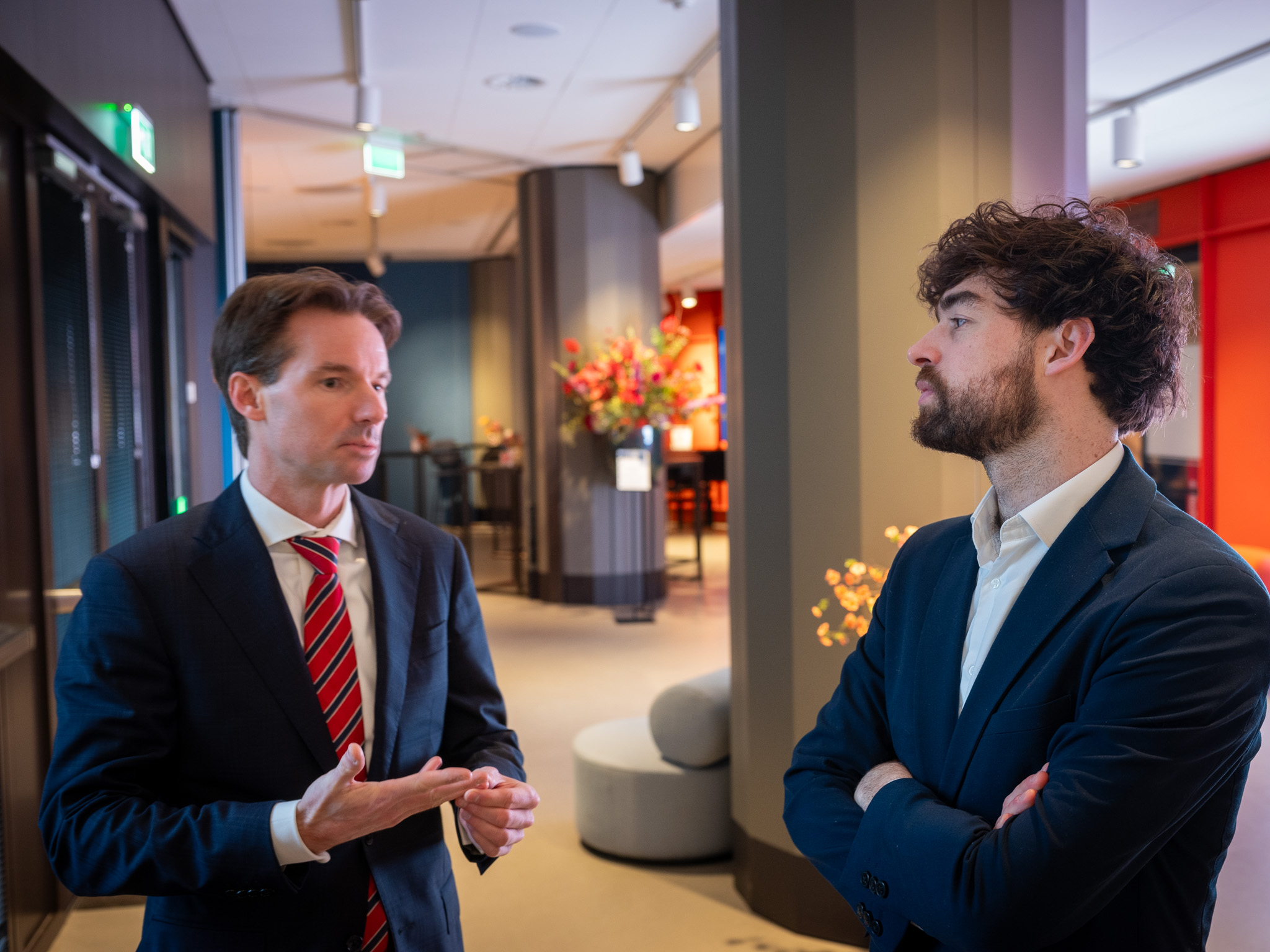
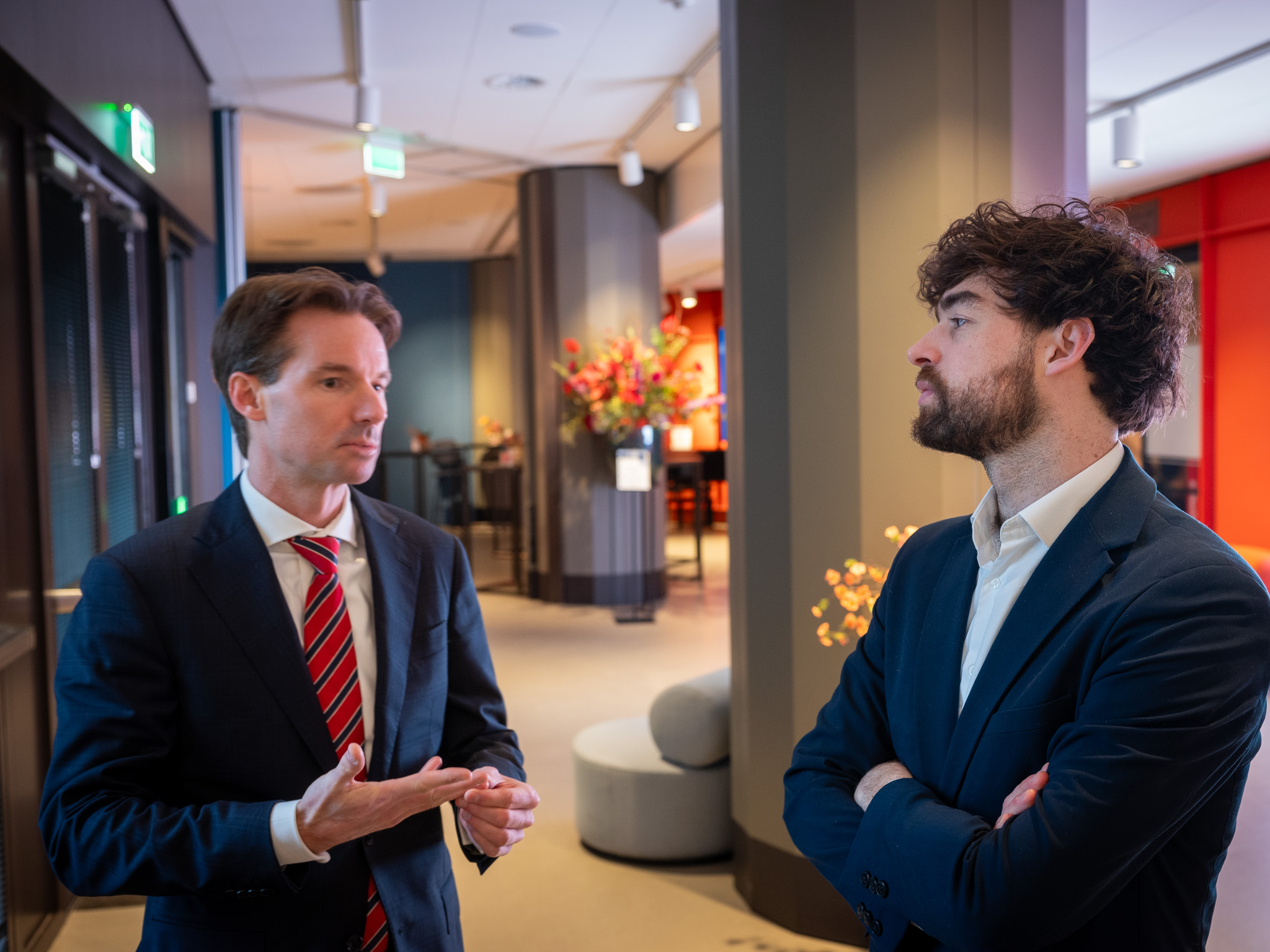
Lawyer Joost van Ladesteijn: "Too much attention is given to the hooligans on the job market instead of the supporters"
The enforcement moratorium expired as of Jan. 1, 2025, but there is still a lot of work to be done to move the (flexible) labor market forward. So says Joost van Ladesteijn, employment law attorney and partner at Vertex Legal. In conversation with Sem Overduin of HeadFirst Group, Joost discusses the importance of facts in a regularly sentiment-driven discussion about self-employed workers. Furthermore, Joost is critical of the role of the polder and has a clear vision of the position of the government in this dossier.
What solution do you see for the labor market?
I see the solution in a recalibration of the Trias Politica, the doctrine of a balance of powers. New powers have been added, such as supranational organizations. The distinction between legislative, executive and judicial powers no longer suffices. More tension between the various (shadow) powers is required. Here "without friction no shine" applies.
Adequate "checks and balances" must therefore exist in this playing field, for example to prevent excessive entanglement between powers, already for the quality of decision-making. The human dimension should always be central to pluralism. Policy objectives can now too quickly take shape as a kind of 'hunt', where the end justifies the means.
You write that employment contracts are increasingly becoming a vehicle for government action. What exactly do you mean by that?
The labor contract has become over-regulated and therefore unattractive. It has become a vehicle to achieve all sorts of government objectives. There is, to quote Verburg, not only 'terrible flex', but also 'terrible fixed'. Barentsen and Sagel put it evocatively in the Chronicle of Social Law: 'How full can the Christmas tree of the labor contract be hung with protective balls before its branches start to creak?' 'Fixed less fixed' therefore deserves as much attention as 'flex less flex,' otherwise any proposed solution will remain symptomatic.
There has been much discussion about the VBAR bill, especially making the criterion of external entrepreneurship "subsidiary. Earlier, there has been political talk about cutting the bill into two separate parts, so that the legal presumption is separated from the clarification part. What is your opinion?
Like the Advisory Committee on Regulatory Burden (ATR), the Council for the Judiciary and the Advisory Division of the Council of State, I am critical of the VBAR bill. When in 95% of cases it would now be clear what the outcome of an assessment of whether an agreement should be considered an employment contract is, the best-case effect of the VBAR is non-significant. Better than splitting the VBAR is splitting civil and tax employment contracts. Inspectors can then work with laws and regulations in which they are pre-eminent long-time experts. You now notice discomfort among inspectors with an employment law test. Article 7:610 paragraph 1 of the Civil Code, which contains the definition of the employment contract, can then remain unchanged. Legal practice can handle this just fine. That may by now be obvious from case law.
Back to your area of law, employment law. What do you propose to improve it?
Labor law may be simpler, more effective and balanced for also more agility, innovation and customization, and thus addressing labor market tightness, labor productivity and business climate. This can be done by not setting government and collectivism on the one hand against the market and individualism on the other, but in a new balance with counterpowers with an independent position for labor law, detached from taxation and social security. Government activism starts where market activism stops and vice versa. The risk-rule reflex must be suppressed. In other words: through jurisdiction if possible, through legislation if necessary. Competition should be encouraged. So my additional advice would be to disentangle the privatized social security law from the labor contract. In addition, the 1945 preventive dismissal test should finally be abolished. Article 7:611 of the Civil Code, which regulates good employer and good employee relations, should be given a more emphatic key position. Bills such as Work Where You Want and Right to Inaccessibility then need not be tabled.
What is the role of the polder here?
here is also a role for the polder, but certainly not an exclusive one. Precisely broader listening than at present is essential. Large groups seem to be systematically missed. For example, the government always assumes broad support for proposed measures because plans are made in consultation with social partners. But structurally it appears that this broad support is precisely not there. Proposals fail in the House of Representatives or meet with resistance from all sections of society. This raises questions about the quality of decision-making, including its diversity and inclusiveness. It is striking that these are precisely the themes that the SER likes to discuss.
The polder is now not the ears of the labor market and does not sufficiently represent all social actors. There seems to be a need for an independent body alongside the SER, with people from commercial practice, which uses technology for direct forms of decision-making, not tied to political parties or particular organizations. This to ensure attention to freedoms, individual responsibilities, conflicting interests and flexibility. In the process, collective bargaining agreements have really fallen through. The material scope of collective bargaining agreements should be drastically reduced to the so-called hard core of working conditions, i.e. wages, working and rest times, occupational health and safety, vacations and equal treatment. The AVV review framework requires modernization. Respresentativeness requirements should be increased and unambiguous. All employees should vote on CLAs instead of a constituency. A maxim could be that more than 25% in employer contributions and/or subsidies affects a union's independence. Again, systemic reform should be put on the agenda.
Answers to preliminary questions by the Supreme Court in the case between Uber and FNV will soon follow. Exciting or not?
Indeed, the ruling is expected soon. If the Supreme Court goes along with the opinion of the Advocate General, then a kind of VBAR law situation may already arise: circumstances relating to the person of the worker himself will then be less important as a starting point than other factors in assessing whether a contract should be considered an employment contract.
However, I expect the Supreme Court to stick to the line it itself has set for the last few decades. The Deliveroo ruling highlights the Groen/Schoevers ruling from 1997 and the Participation Place ruling from 2020. This means: the sequentiality of the two-phase system, the Haviltex measure in the interpretation phase, which includes the social position as a party-specific circumstance, and the holistic test with as part of it that points of view should also be considered in mutual connection. The Supreme Court then does not go along with the Advocate General and external entrepreneurship is not accorded a "subsidiary", subordinate significance.
In the first quarter of 2025, the House of Representatives will again debate labor market policy and the zzp dossier. What do you want to give politicians?
The art of the manufacturable must be exchanged for an awareness of inherent limits. Less is now more. Start with the 5 km first, achieve initial success, and only then embark on a marathon of which even start and finish are now unclear.
The government must argue concretely, unambiguously and objectively, with quantifications, what trade-offs it is making, recognizably reflecting on all the facts and circumstances, recognizing that 100% compliance is unachievable and policy (to the extent required at all) thus amounts to risk management. Government should be above the parties and know the necessity of its own limitations, including that legislation is not a "multi-cloth." Agile in spirit, government should seek connection by engaging in conversation and listening for balances based on commonalities. Thus, man, which constitutes society, can also be measure of things, as painter and canvas.
It is now more than five years since the Borstlap Commission issued a robust report on labor market reforms. Is it now time for a revised version? A Borstlap 2.0?
The Borstlap Commission report is strongly ideological and can be interpreted as yet another typical product of the public sector. One can also take a completely different view of the content and necessary measures, but the report contains that different view to a limited extent. With also all the reports of all the members of the Borstlap Commission in the news on an almost daily basis, the views of the Borstlap Commission should really be known enough by now. It would be good if precisely others than members of the Boot Commission, the Borstlap Commission and the SER (MLT) were allowed to tell their stories, perhaps by a group from the commercial sector, all the more so given the limited successes in the labor market over the past few decades and we now really want to move forward. Remember also that the Borstlap Commission was mostly not followed by the previous minister. As mentioned, for me, labor law in particular can be more balanced, effective and simple. In my opinion, this cannot be achieved by setting government and collectivism on the one hand against the market and individualism on the other, as has been the case in recent decades, but in a new balance with an independent position for labor law. In this, freedom, and its protection, is essential. The guarantee of fundamental freedoms creates the possibility of self-development and self-actualization for everyone. This includes a Red Tape Committee, which removes all duplicate and unreadable rules (also for dealing with labor shortages and the issue of labor productivity). A 30% 'admin burden' starts to become normal. This has really gotten terribly out of hand in recent years. This should be more of a priority than a multi-hour bonus.
What do you hope for in 2025?
I hope for less ideology and more substantive debate. Numerous issues are currently not easily measurable and should have been eminently so as the basis of the foundation of any analysis. Put objectivity and facts at the center. This will improve the quality of the debate and will have a positive effect on the quality and implementation of decisions.

Request a free consultation
Questions about this? Please contact us.
Sem Overduin
Public Policy & Affairs Manager
Sem.Overduin@headfirst.nl
Oifik Youssefi
Public Affairs Officer
Oifik.Youssefi@headfirst.nl
Maaike van Driel
Head of Legal
Maaike.vanDriel@headfirst.group
Thomas ten Veldhuijs
Senior Legal Counsel
Thomas.tenVeldhuijs@headfirst.nl


Minister Van Hijum: Admitting Authority (TI) WTTA to be invested within the ministry itself
The Wet toelating terbeschikking van arbeidskrachten, better known as the WTTA, is an important step in the regulation of the temporary staffing sector and other personnel lenders. In a recently published parliamentary letter, Eddy van Hijum, the Minister of Social Affairs and Employment (SZW), announced that his own ministry will assume the role of admitting authority (TI). This decision follows an extensive search for a suitable implementer. How to proceed.
Why a new admitting authority?
First a bit of background: the WTTA bill dates back to 2023, in response to abuses in the staffing industry (underpayment, poor housing of migrant workers) and the Roemer Commission report. The law introduces an admission system for organizations covered by the Waadi. Under the new system, hirers may only operate in the market if they are authorized to do so.
It was originally intended that Justis, the screening authority of the Ministry of Justice and Security, would act as the admitting authority. However, Justis announced that it did not have the capacity to perform this complex task, partly due to the extensive supervisory and enforcement responsibilities that the WTTA entails. This was confirmed in various parliamentary documents and led to the need to postpone the introduction of the WTTA until further notice in late 2024. The Ministry of SZW is now taking over this task and establishing a new unit specifically responsible for implementing the law.
SZW's new role as admitting authority
The new special unit within the Ministry of Social Affairs and Employment will be responsible, as the admitting authority, for assessing applications for admission, suspensions and revocations of permits for hirers. The new unit must distinguish itself through careful decision-making, in which signals from the market, inspection reports from private inspection bodies and cooperation with system partners such as the Tax and Customs Administration play a major role.
Motions Cedar (CU) and Aartsen (VVD): focus on speed and cost control
The implementation of the WTTA has been heavily influenced by two motions recently passed in the House of Representatives:
- Motion Cedar: focus on speed
This motion emphasizes the need for the law to enter into force as soon as possible with a target date of July 1, 2026. The Minister of SSW indicates in the room letter that he shares this aspiration, but warns against rushing without diligence. A robust organization is needed to ensure that the admission system functions effectively from day one. The preparation and establishment of the TI will therefore be carefully carried out, with a schedule expected to be set this spring. - Archer motion : cost control for lenders
In his motion, Aartsen calls for keeping the costs associated with implementing the WTTA manageable, especially for smaller lenders. The minister responded in the parliamentary letter by indicating that the fees and inspection costs will be set proportionately and transparently. In addition, the fees will be differentiated by company size, which means that smaller lenders will be charged less than medium and large companies. An important commitment for Aartsen since it was originally intended to charge a 100,000,- deposit to joining parties.
How to move forward?
Van Hijum indicated in the parliamentary letter that he cannot yet comment on a definitive date for the law's entry into force. The TI must be given sufficient legal, financial and organizational resources to be able to perform its tasks and activities reliably and effectively. Logically, this process needs time. Van Hijum does indicate in the parliamentary letter that there will be more information on a new timeline for the implementation and execution of the WTTA in the first quarter of 2025.
HeadFirst Group's Public Affairs Team is keeping a close eye on developments. Should there be any questions about the WTTA, please contact us at publicaffairs@headfirst.nl.
Request a free consultation
Questions about this? Please contact us.
Sem Overduin
Public Policy & Affairs Manager
Sem.Overduin@headfirst.nl
Oifik Youssefi
Public Affairs Officer
Oifik.Youssefi@headfirst.nl
Maaike van Driel
Head of Legal
Maaike.vanDriel@headfirst.group
Thomas ten Veldhuijs
Senior Legal Counsel
Thomas.tenVeldhuijs@headfirst.nl

The political discussion about the VBAR, the Uber/FNV case and the future of the zzp file. What does all this have to do with each other?
The zzp dossier in 2024 can be described as a turbulent year. The year was marked not only by the approaching end of the enforcement moratorium, but also by the bill Verduidelijking Beoordeling Arbeidsrelaties en Rechtsvermoeden (VBAR). The Internet consultation in the fall of 2023 already caused many critical responses from industry associations, market parties and zzp organizations. Criticism of this bill actually only increased in 2024. Various political parties questioned questioned the usefulness and necessity of the VBAR and the Council of State came in November 2024 with the conclusion that the billoorstel will make a "limited contribution to tackling false self-employment. Earlier, the Advisory Board on Regulatory Burdens (ATR) also issued a strong advice. The bill received at that time a dictum 4 from this Board. In brief this means the following: the bill has fundamental objections and/or the substantiation is seriously deficient or lacking. A recently published report of the ATR shows that several billslen related to the labor market have similar dicta received in recent years.
Minister Van Hijum (Social Affairs and Employment) has been considering follow-up steps for some time. Earlier, Van Hijum indicated that he was waiting for the Supreme Court to answer preliminary questions in the FNV/Uber case. The answering of these questions could have major implications for the VBAR bill and the broader discussion of the zzp dossier. But why is this really the case? And why are FNV and Uber opposing each other at all? In this article, a chronological timeline and more text and explanation about the legal and social importance of this case.
September 2021: Rrealbank Amsterdam Declares Uber employer
On Sept. 13, 2021, Amsterdam court rules that Uber is an employer and must abide by cab collective bargaining agreement. This ruling is seen as a major victory for FNV and the drivers. However, Uber does not resign itself to the ruling and is appealing.
2022: The legal strategy of Uber And the "Uber files"
In 2022, it emerges that Uber is delaying legal proceedings and submitting dispensation requests not to be covered by the cab collective bargaining agreement. Moreover, the "Uber files" in July 2022 reveal how Uber tries to manipulate political and legal processes.
June 13, 2023: court hears appeal
On June 13, 2023, the Amsterdam Court of Appeal will consider whether Uber is an employer. The court states that more clarity is needed on the legal framework and decides to submit preliminary questions to the Supreme Court. This is because of the high social and legal importance of the issue.
Oct. 3, 2023: court asks preliminary questions
The Amsterdam Court of Appeal Is formulating questions for the Supreme Court on two key issues:
- The role of entrepreneurship in assessing employment relationships.
- The appropriateness of the AVV Act (Act on declaring collective agreements generally binding and non-binding) as the basis for the FNV's collective action. The Supreme Court's answers will influence not only this case but also future disputes about platform work.
September 30, 2024: opinion of attorney general
Attorney General (AG) Ruth de Bock will issue an opinion in late September 2024 in response to the preliminary questions raised. In hhe opinion the AG states that the viewpoint 'personal entrepreneurship' has only limited significance when assessing employment relationships. This point of view only comes into play when a review of the previous eight points of view from Deliveroo is inconclusive as to whether an employment relationship should be classified as an employment contract. The focus should be on the concrete working relationship as it is in the workplace. Behaviors of the worker in the economic sphere cannot therefore "tip the balance. According to the AG, that the personal entrepreneurship of the worker is of limited significance is in line with the draft VBAR bill and with the assessment framework developed by the CJEU for the demarcation between entrepreneurs and employees. The AG also confirms that the AVV Act is suitable for collective actions such as those of the FNV.
The Supreme Court is free to follow the AG's advice or not. In the Deliveroo judgment, the AG's conclusion was not followed and the Supreme Court came to the conclusion that all circumstances of the case weigh in when assessing the employment relationship. Joost van Ladesteijn, employment law attorney at Vertex Legal, came up with a critical reaction to AG De Bock's opinion.
What is at stake?
The Supreme Court's answers to the submitted preliminary questions are of great importance for the political discussion about the zzp dossier, the VBAR bill and assessing whether or not there is an employment contract. Thus, this has significance not only for cab drivers working through Uber, but for the broader discussion about self-employed workers and the flexible labor market.
If the Supreme Court goes along with AG De Bock's opinion, this will mean that an agreement will more quickly be regarded as an employment contract. Less importance will be attached to the point of view of 'personal entrepreneurship' when assessing an employment relationship. This is not in line with the Deliveroo judgment, where precisely "all circumstances of the case must be considered in connection with each other".
Should the Supreme Court not follow AG De Bock's advice, the "personal entrepreneurship" of the worker will weigh more heavily in assessing whether there is an employment contract. This will then be in line with the Deliveroo judgment, where the ninth point of view is a contraindication of employee status. This then has implications for the VBAR bill, because the so-called OP criteria (entrepreneurial criteria that look at the person himself) are secondary to the criteria that test for Employeehood (W) and Self-Employment (Z) which only look within the employment relationship.
The Supreme Court's answers to the preliminary questions are eagerly awaited by legal experts, policymakers, social partners and politicians. It will undoubtedly provide another chapter in the increasingly complex discussion of when an employment contract exists. In all likelihood, the Supreme Court will come out with answers in late January/early February.
Request a free consultation
Questions about this? Please contact us.
Sem Overduin
Public Policy & Affairs Manager
Sem.Overduin@headfirst.nl
Oifik Youssefi
Public Affairs Officer
Oifik.Youssefi@headfirst.nl
Maaike van Driel
Head of Legal
Maaike.vanDriel@headfirst.group
Thomas ten Veldhuijs
Senior Legal Counsel
Thomas.tenVeldhuijs@headfirst.nl
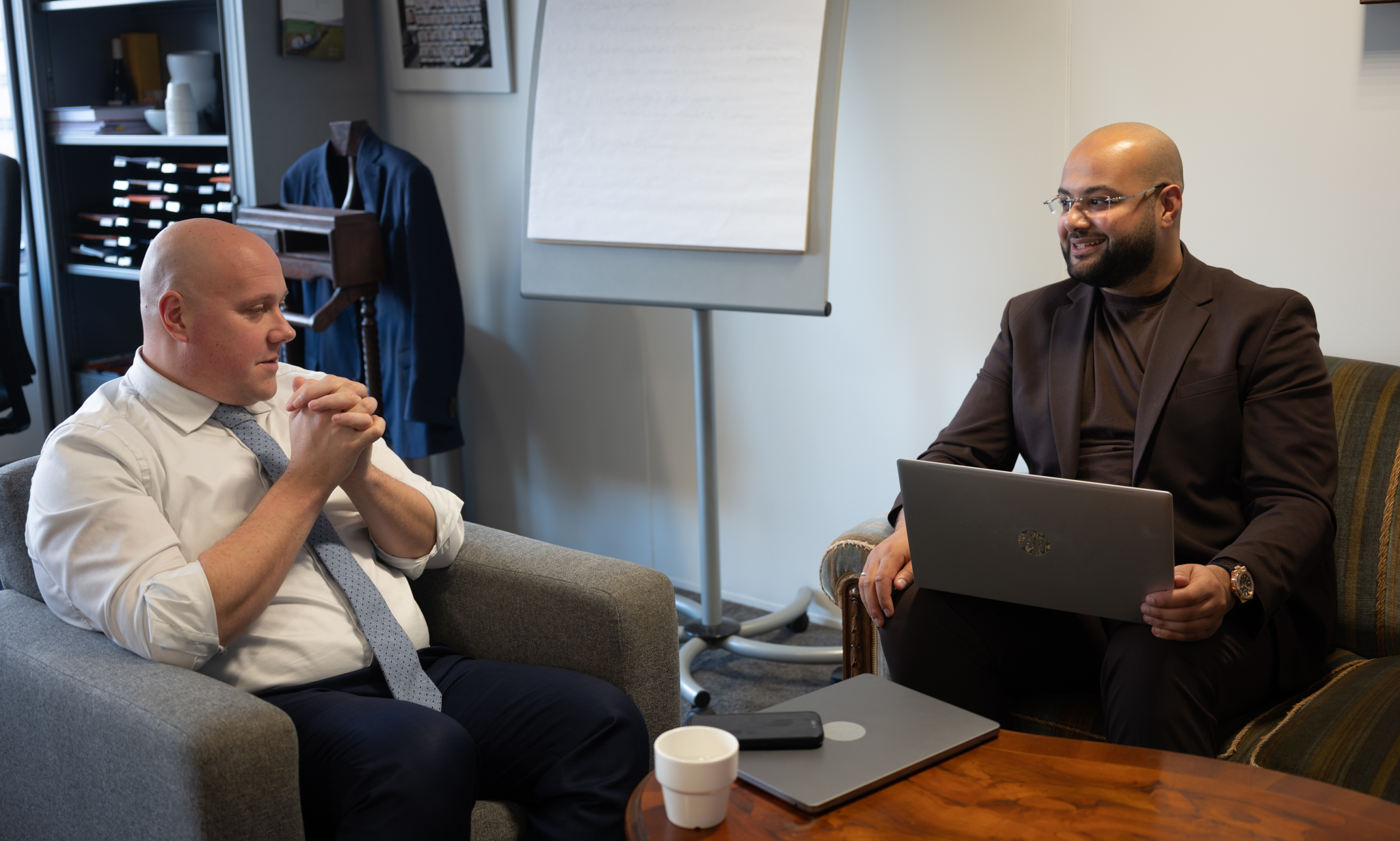
Looking back at the 2024 zzp dossier: VVD MP Thierry Aartsen on "giving people the freedom to arrange their working lives themselves."
With enormous enthusiasm, VVD Member of Parliament Thierry Aartsen has gorged himself on the zzp-dossier over the past year, and with good reason: for him, too, as a politician, the end of the enforcement moratorium as of January 1, 2025 and the criticism of the Council of State on the bill Verduidelijking Beoordeling Arbeidsrelatie (VBAR), among others, means that the labor market is moving at a new crossroads. According to him, it is therefore really time to start a fundamental discussion about the labor market and the position of self-employed workers in that labor market. In conversation with Oifik Youssefi, of the public affairs team at HeadFirst Group, Aartsen shares his views on the freedom for workers to make their own choices, the importance of political renewal and the future of the Dutch labor market.
Politically, things got especially interesting starting in the summer, but how do you look back on the past year with regard to the zzp dossier?
It was a year of progress, but not without struggle. Indeed, before the summer, it was really quiet before the storm. As time passed, I caught more and more noises from zzp'ers about the expiration of the enforcement moratorium on January 1, 2025. Then, a week before the summer recess, I took the initiative to organize a roundtable discussion in the House of Representatives on this subject. After this roundtable discussion, on Thursday, September 5, things really broke loose and all my channels exploded with even more concerns and reactions from zzp'ers and clients. It is good that the zzp dossier is now more prominent on the political agenda. At the same time, we are really still in the early stages of our struggle: making sure that enforcement goes well by January 1, 2025. The fundamental discussion - that people are allowed to decide for themselves how they want to work - we are not yet conducting enough. That's the next step, as far as I'm concerned. And if we are going to have that discussion with each other, then of course the question of how we are going to organize this properly with each other, looking at taxation and the social security system, is also important.
You argued in one of your motions in September for a "soft landing" when the enforcement moratorium expires. What do you think that means?
Most importantly, the Tax Administration is going to enforce in a risk-oriented manner. This means focusing on obvious abuses such as forced self-employment and constructions with migrant workers working for low hourly rates. It is therefore also important that the Tax and Customs Administration and the Labor Inspectorate work together effectively. Furthermore, in the motion I also called for warnings to remain in place, and model agreements also remain effective. Those warnings are crucial to restore peace of mind among clients. Should an audit take place, you still have the chance to correct it neatly and adjust the situation. The model agreements also offer a certain amount of clarity after all, if you stick to them, of course. This will hopefully contribute to a soft landing. Finally, I must also be honest: for the past few years the VVD has been in government, and we also failed to fundamentally address this problem. Hence we are standing here now. While it is still possible, I want to make adjustments where possible. Not directly from 0 to 100.

In the responses you get from zzp'ers and clients, they will no doubt express concerns about enforcement on false self-employment, but what do you yourself expect the impact of enforcement in 2025 to have on the market?
I am optimistic. I think - and above all, I hope - that it will not be too bad. Working with the self-employed can and should be just fine. But I see the concerns growing more and more in the run-up to Jan. 1, 2025. So my appeal to clients is: keep your cool, stay calm and don't force people into salaried employment en masse (in short order). Don't use the lifting of the moratorium as an excuse to panic. Look at what can be done, arrange a job description neatly and in such a way that you can just keep working with self-employed people. Stick to the agreements you make with each other. I especially hope that we can keep that calm.
The Council of State has strongly criticized the VBAR and the More Secure Flexible Workers Act. In addition, the WTTA (admission system) and compulsory disability insurance for the self-employed have been postponed. Isn't the labor market package at risk?
Yes, absolutely. There is a huge lack of innovation, and that is precisely what is desperately needed. We have to fundamentally rethink the position of the self-employed and our labor market as a whole. We have to admit that flex has gone too far in some places. But fixed is also very much fixed, and we need to discuss that too. So about flex and permanent. The outline agreement mentions two laws: the WTTA and the VBAR. The VVD supports the WTTA. The outline agreement does state that 'the cabinet is free to continue with the VBAR'. That is different from going ahead and agreeing to it blindly. I, as the VVD, am highly critical of that VBAR. And not only the VVD, but many industry associations, zzp organizations and scientists with me. That is why I also asked the cabinet: consider splitting the law, then you can already start working on the legal presumption based on an hourly rate for the basis of the labor market. And compulsory disability insurance is just enormously complicated. As the VVD, we think the opt-out is very important. Without that opt-out, a compulsory regulation cannot come about as far as we are concerned. But we have to look beyond that. It is time for a modern approach that really supports the self-employed, without forcing them into a straitjacket.
In an earlier debate, you mentioned Belgium as an example. What specifically would you like to adopt?
The Belgian social system offers a better balance between freedom and responsibility. In Belgium, the entrepreneurship of the individual is also more central. Here in the Netherlands, when it comes to the self-employed, we get too bogged down in discussions about taxation and false self-employment, when we should be thinking much more fundamentally about the position of the self-employed, including the protection and responsibilities that arise from it. In Belgium you have more space and freedom to choose for yourself and the working relationship between self-employed and client is more clearly defined. At the same time, they take extra measures for sectors with low hourly rates and where the risk of vulnerable entrepreneurship is greater. I find these additional sectoral criteria logical and it prevents abuse.
In general, what do you think could be better in the Netherlands in terms of dealing with self-employed people?
The core is recognizing that there is a huge growing group of Dutch people who want freedom, who want to determine for themselves how they organize their working lives. We still try to deny that now by always referring to the labor law from 1907. In addition, we need to adapt our tax and social security system here to self-employment. If the argument is that the self-employed do not contribute enough to social security, say so honestly and have a discussion about it, but do not deprive them of their individual freedom to do business. The focus should also be on a separate legal form for the self-employed, something we have not yet seriously considered here. That way you can draw a clear dividing line between employees and the self-employed, without restricting them unnecessarily in how they organize their work. That is the innovation I see before me: clarity, freedom and a modern social system that fits the current labor market and is therefore also ready for the future.
What was your highlight this year?
The cabinet finally began to move toward a soft landing, and the House supported it. I was really happy about that, though.
And the low point?
The concerns of self-employed people I receive daily in my mailbox. That touches me very much. People who work hard and are now losing assignments because organizations no longer dare to take them on. That does strike me as a low point.
What are you looking forward to in 2025?
A fundamental discussion about how we deal with the self-employed. In recent years, politicians have not sufficiently succeeded in answering the question of how we want to deal with the self-employed in the labor market. We have left that question unanswered. We need to have a serious conversation about a contract-independent system. That is a nice dot on the horizon and an important goal for me. And finally, I look forward specifically to January 21. Then we as VVD will organize a townhall session on the future of the self-employed, together with our political leader Dilan Yeşilgöz. I think it would be great to talk to a large group of self-employed people about how they envision their future.
*This interview is part of a series, in which in recent weeks the Public Affairs team has interviewed several experts closely involved in issues surrounding the self-employed and the labor market. The series consists of six interviews, which will be published in the coming weeks.
Request a free consultation
Questions about this? Please contact us.
Sem Overduin
Public Policy & Affairs Manager
Sem.Overduin@headfirst.nl
Oifik Youssefi
Public Affairs Officer
Oifik.Youssefi@headfirst.nl
Maaike van Driel
Head of Legal
Maaike.vanDriel@headfirst.group
Thomas ten Veldhuijs
Senior Legal Counsel
Thomas.tenVeldhuijs@headfirst.nl

Enforce without enforcement moratorium: plans for 2025 are known
On December 18, the Inland Revenue released the 'Enforcement Plan Labor Relations Tranche 2025.' published. This plan focuses on the lifting of the enforcement moratorium as of January 1, 2025. No misdemeanor and default fines will be issued in 2025, but additional assessments and corrections to payroll tax and social security contributions may be made. It will also remain possible for the Inland Revenue to first issue a warning, to remind the client to pay attention to the qualification of the employment relationship and the possible risks of false self-employment. Incidentally, the warning is not an official instrument, as the designation was.
As of Jan. 1, 2025, the enforcement moratorium will be lifted. This means that clients may face immediate consequences in the event of incorrect qualification of employment relationships. The Tax Authority outlines in the Enforcement Plan how this transition will take place, in order to prevent unrest and promote compliance with rules. The focus is on a balanced approach, combating false self-employment without unnecessarily restricting the freedom of workers.
Phasing out model agreements
In their Enforcement Plan, the Internal Revenue Service has indicated their intention to carefully manage this transition. A central pillar of the strategy is the phase-in model, which limits corrective action before 2025 to cases of malicious intent. At the same time, the Tax Administration remains committed to cooperation with the market. Industry associations and tax service providers are involved in raising awareness and providing support to hiring organizations and self-employed persons. However, the responsibility for correct qualification of labor relations lies primarily with the parties involved themselves.
Another important aspect in the Tax Administration's plan is the phasing out of model agreements. As of September 6, 2024, no new applications or renewals of model agreements will be considered. Existing agreements will be subject to a transition period until the end of 2029. The emphasis will shift to tax control within legal frameworks and practical tools such as the web module.
Pre-consultation remains possible
Finally, the Tax Administration expects more requests for pre-consultation in the coming period. The Tax Administration has concluded that pre-consultation can be an important service tool. To handle this flow as well as possible, the requests must meet the set conditions and the request must also be complete. On the request for preliminary consultation and the pre-consultation checklist clearly indicate the minimum information required to successfully submit a request. The checklist explicitly states that our opinion, based on the facts and circumstances described, only provides certainty if the actual execution of the work also matches exactly what has been described. Pre-consultation gives only conditional (and therefore not absolute) certainty.
The ultimate goal is to fully integrate enforcement into the Tax Administration's regular supervision starting in 2026. If you have any questions about the Enforcement Plan or its further implications, please contactpublicaffairs@headfirst.nl.
Request a free consultation
Questions about this? Please contact us.
Sem Overduin
Public Policy & Affairs Manager
Sem.Overduin@headfirst.nl
Oifik Youssefi
Public Affairs Officer
Oifik.Youssefi@headfirst.nl
Maaike van Driel
Head of Legal
Maaike.vanDriel@headfirst.group
Thomas ten Veldhuijs
Senior Legal Counsel
Thomas.tenVeldhuijs@headfirst.nl
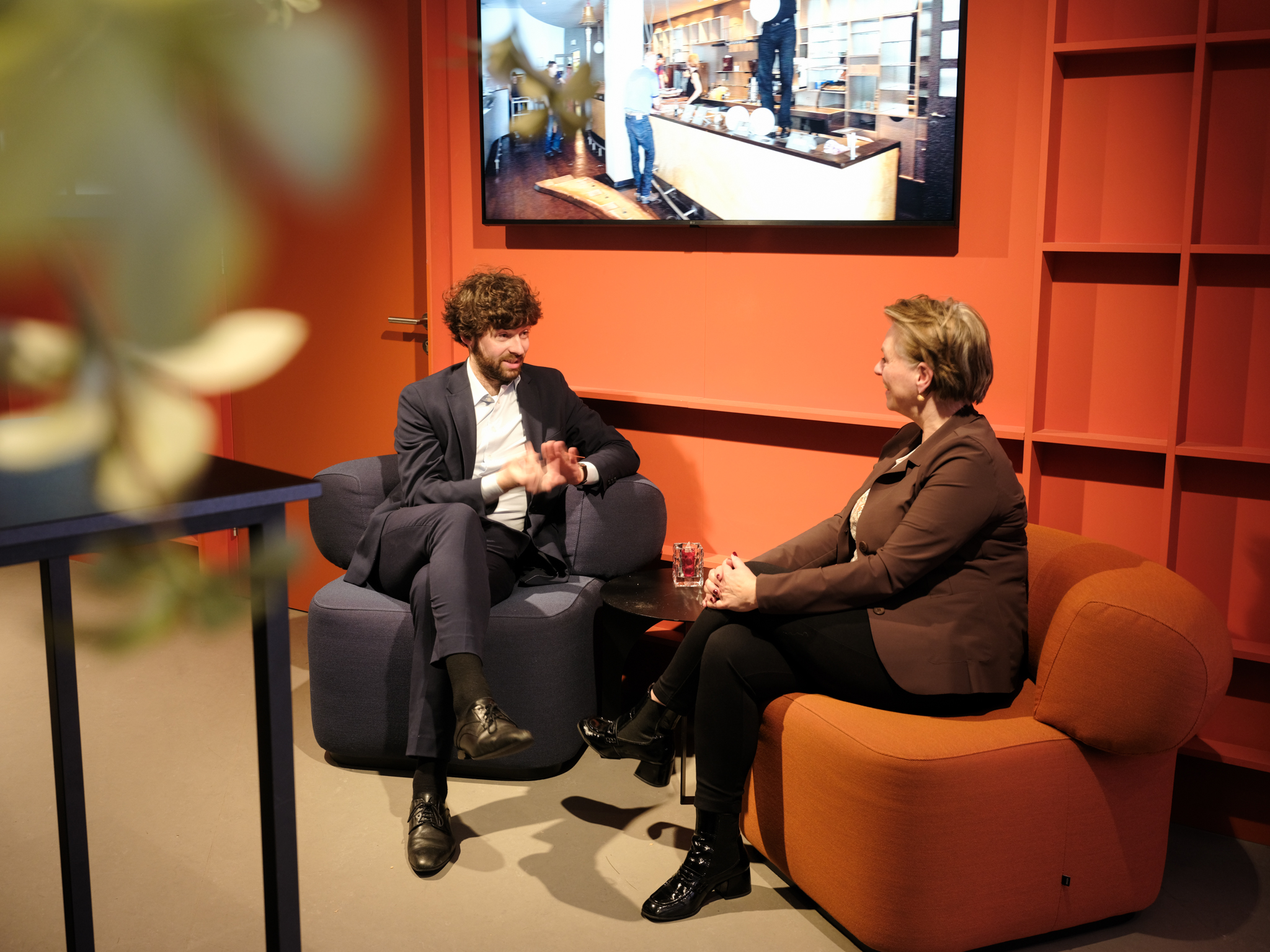
Looking back at the zzp dossier 2024: extraordinary professor and Crown Member to the SER Josette Dijkhuizen on sustainable employability of zzp'ers and the importance of listening carefully to each other.
"I hope that we will have good conversations, work better together, have mutual understanding and ask questions of each other. Because we solve problems through positivity and connection." Extraordinary professor, crown member of the SER and self-employed entrepreneur Josette Dijkhuizen looks back on an eventful year. In conversation with Sem Overduin, Manager of Public Affairs at HeadFirst Group, Dijkhuizen looks back on 2024. She talks about good and wise self-employment, why sustainable employability is such an important issue for all workers in the labor market and her appointment as crown member of the SER.
You are, of course, an example of good entrepreneurship. You made a conscious decision to do it, you are aware of what it all means for you with regard to illness, social security and your old-age provision. That is not true for everyone.
Some of the self-employed also have it very well organized. But some have not. I have no judgment on that, but they have been sucked into this development without being properly informed about what it all means. And we must also look at the side of principals. Some clients have also allowed it all to happen, and in some sectors clients have little choice but to work with zzp'ers.
Does the self-employed need more tools and information?
Yes, but I also think that's really the role of a self-employed person themselves. Sometimes - and I say this very carefully - people act as if being self-employed is just freedom and happiness. Of course, the world is not like that. Independence does not mean that it is non-committal. It is not just autonomy, it also brings certain responsibilities and duties. You have to be well informed about that. I really think that self-employed people should also pick up that gauntlet themselves.
The barrier to becoming self-employed may also be too low?
Certainly, that threshold is also low because it takes no effort to arrange a registration with the Chamber of Commerce. The threshold doesn't necessarily have to be raised, but I do believe in 'think before you start'. Somewhere a place to let people realize what is involved in being self-employed can't hurt, in my opinion. How to ensure strong financial buffers? How do I deal with uncertainty? How do I make arrangements for retirement? And perhaps most importantly, how do I keep continually developing myself and my business? Learning and developing, I think that is very important.
A nice bridge to sustainable employability. When people talk about sustainable employability, much of it is already about the employer-employee relationship and much less about the self-employed. Why is that?
I deliberately named my chair "Sustainable Employability of Entrepreneurs. When I ask an entrepreneur "what does sustainable employability mean to you?", the entrepreneur starts talking about what he or she is doing for the employees or the company. Entrepreneurs are constantly working to keep the business running, who is working for others for their feelings, who is just doing business. The topic is enormously important, we pay far too little attention to it. And only in recent years has the theme really started to land more, but I have also been on the stage for twenty years. More and more the realization is coming: if the entrepreneur does not develop, then neither can the company. There is a direct link between that.
Can the government still play a role in facilitating and encouraging that?
Then, though, the question immediately arises: for what target group exactly are we doing it? There are almost 2.6 million registrations at the Chamber of Commerce. I think many entrepreneurs will think: I'll do that myself. Entrepreneurs are of course stubborn, at least I am myself. Maybe it should not be directly with the government, but more with industry associations. They often know much better what is going on in a particular sector and understand what is needed. And sustainable employability is also quite a complex concept. According to the literature, it consists of three elements: vitality, work capacity and employability. For an employee, it often stops at these three, but a fourth element is added for the entrepreneur: his or her own company. And that company must also remain healthy and develop. That company must also move with the times. Technological developments, legal developments ... An employee does not have that extra element.
Since November 2023, you have been a Crown member of the SER. As an extraordinary professor and independent entrepreneur, this position is right up your alley. How do you like being a Crown member?
Very good. It's a totally different world for me, but tremendously honorable. There are twelve independent Crown members and twelve more deputies, and I get to sit on the first earmarked seat for the self-employed, together with Fabian Dekker. That you, as an entrepreneur yourself, get to sit there is still special. It is one of the highest advisory bodies and that brings with it a responsibility. You really do it together, and I find it important to use my knowledge and experience to mean something for the Netherlands and for all self-employed people. The perspective of the self-employed is different from the perspective of employees and employers. I try to bring the perspective of the self-employed to the relevant committees.
Recently, HeadFirst Group completed Opinion Monitor showing that nearly 20% of independent professionals are considering quitting due to the lifting of the enforcement moratorium on January 1, 2025. There is turmoil and a lot of movement in that labor market. How do you see that linkage to social comparison? An aspect that you also do a lot of research on.
It's actually what I said at the beginning of our conversation. If all you hear around you is "there's a problem" and "it's not clear," then you actually start thinking that. That's human. When there's so much news coverage and so many different sides being highlighted, it's a long time before you know exactly what the truth is. And that also happens with clients of course, they are also people who make choices there. It is the narrative and the texts that reinforce each other. It's worrying that it's so much information and that it's shot in all directions. It's crucial that we stay in conversation with each other. The discussion must be had together. By the way, I read an interesting article in the Volkskrant about elderly care facility Libertas in Leiden. The director started working on the issue of self-employed workers in elder care years ago. So there are examples of how things can be done differently; we can also learn from those best practices. And let's be honest, my experiences with the Tax Office are good. The people who work there are very reasonable, they are always open for a conversation.
For you personally, what was the highlight of the zzp issue this year?
That there is stronger representation for the self-employed within the SER. Previously, this group of employed people was not automatically given a place to participate and provide input in writing reports and drafting opinions. This has now really changed.
What did you consider the low point of 2024 when it comes to the position of the self-employed?
That by confusing facts and opinions, we can no longer come out together. That's how it feels to me. A lot of stimuli come at us and people tend to grab hold of something and hold on to it. And in fear we mainly hold on to the negative things, but we have to see what we can do. That is part of being an entrepreneur. And you don't solve things through negativity, we solve things through positivity and connection.
And what are your expectations for 2025, both in terms of challenges and opportunities?
We have many challenges that continue into the new year. For example, the tight labor market and enforcement. But we have to pick it up together and have good conversations. We need to have more understanding of each other's situation and be genuinely more interested in the self-employed, for example. Why do people choose to be self-employed? How are we going to fulfill that need for autonomy and flexibility? By asking the right questions, we also start to understand each other better. Therein lies the core, and I hope that in 2025 we will work with that.
*This interview is part of a series, in which in recent weeks the Public Affairs team has interviewed several experts closely involved in issues surrounding the self-employed and the labor market. The series consists of six interviews, which will be published in the coming weeks.
Request a free consultation
Questions about this? Please contact us.
Sem Overduin
Public Policy & Affairs Manager
Sem.Overduin@headfirst.nl
Oifik Youssefi
Public Affairs Officer
Oifik.Youssefi@headfirst.nl
Maaike van Driel
Head of Legal
Maaike.vanDriel@headfirst.group
Thomas ten Veldhuijs
Senior Legal Counsel
Thomas.tenVeldhuijs@headfirst.nl
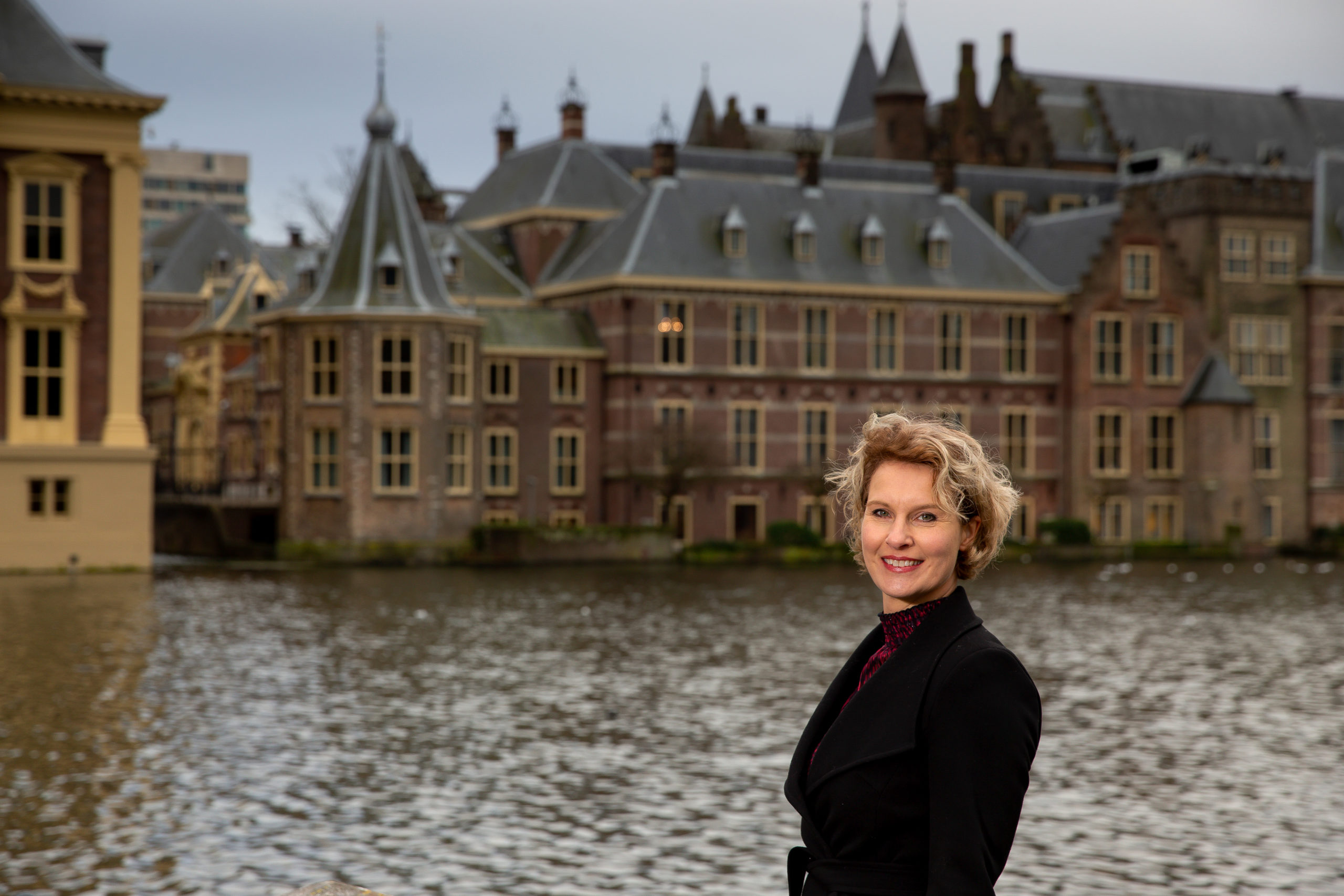
Looking back on the zzp dossier 2024: VZN president Cristel van de Ven on the polder and that zzp'ers can indeed be united
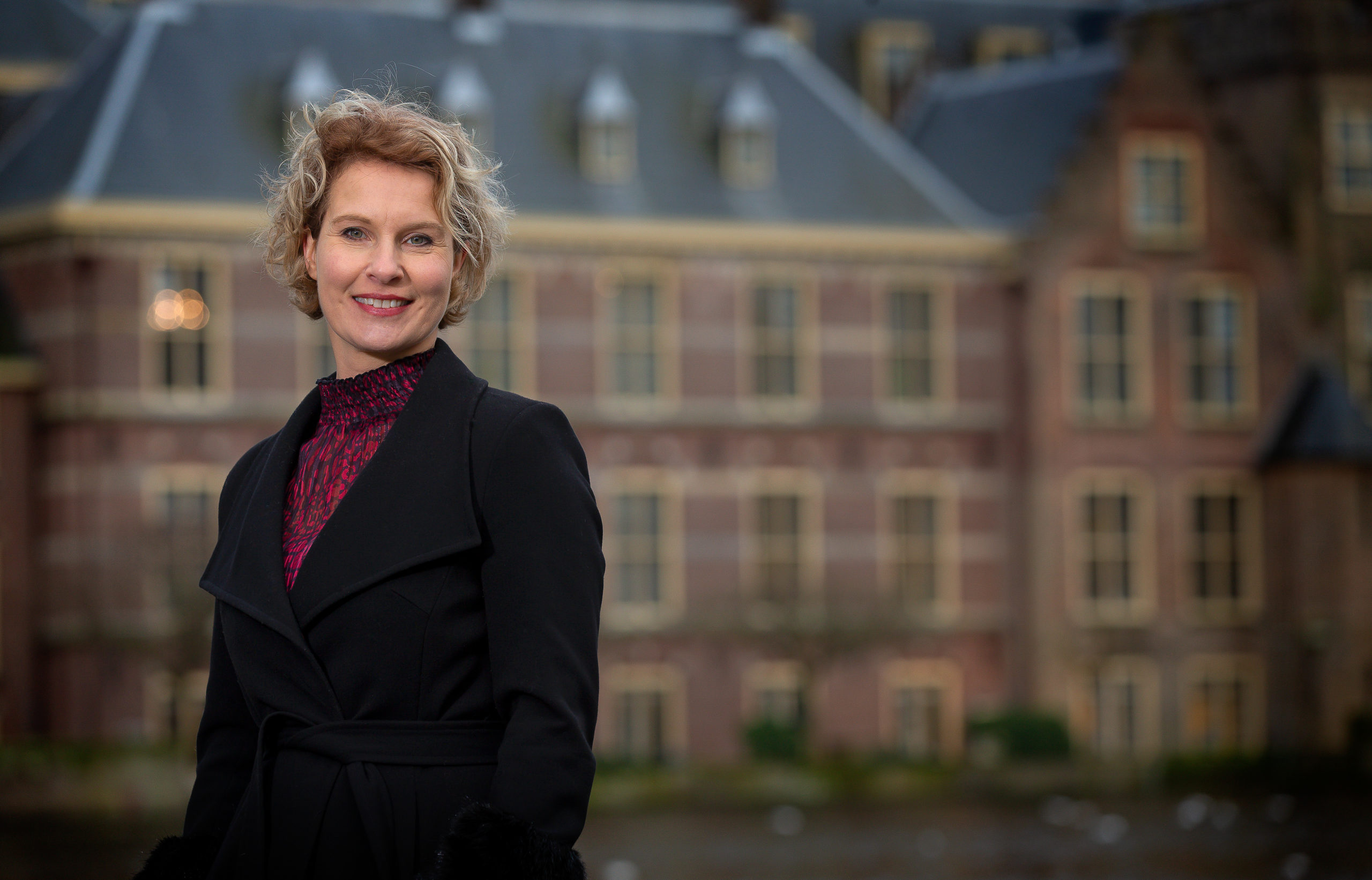
"If employees with all their diversity can be represented in politics and polder, why shouldn't the self-employed with all their diversity?" The president of the Association of the Self-Employed in the Netherlands (VZN), Cristel van de Ven, looks back on an eventful year, in which the position of the self-employed has been called into question by the expiration of the enforcement moratorium, while at important tables in The Hague there is still too often insufficient zzp representation. She is positive about the growing role of VZN in the polder, but stresses that it is time to structurally involve zzp'ers in serious discussions about labor market reform. "Politicians and the polder must realize that zzp'ers are not going away anymore. We have 1.6 million self-employed people in the Netherlands, and they deserve a permanent place at ALL tables where they are discussed and decided upon." In conversation with Sem Overduin of HeadFirst Group, she reflects on the challenges of 2024 and her expectations for 2025.
VZN represents the interests of more than 120,000 self-employed people. What role do you play in the polder?
Since our founding in 2020, we have made great strides. Our role is primarily to coordinate the voice of the self-employed. We translate this into a clear message towards politics and polder. This is going better and better. It is a boost that there are seats in the SER that are really earmarked for the self-employed. As a result, we are invited more quickly to relevant consultations. At the same time, we are still far from where we want to be. Unfortunately, in important political negotiations about the labor market or the economy, self-employed organizations are still too often overlooked. In part this is because many politicians and civil servants have not been self-employed themselves. As a result, there is less affinity with this group of workers. Moreover, in the polder and in politics there is still a certain fear of major changes in the labor market. And existing parties cling to their positions. That makes it difficult to really get our ideas across.
It is often said that the group of self-employed people is too diverse and that it is therefore difficult to speak of a 'unified self-employed sound'. How do you view this?
I know that argument and I think it's a fallacy. Just look at employees, there is at least as much diversity there. Surely VNO-NCW, MKB-Nederland, ONL and the trade unions also represent numerous sectors and different types of employers and employees? Why should it be any different for the self-employed? At VZN, we actually try to look for the common denominator for all self-employed people. I think this argument is often used to keep the self-employed out. Because let's face it; if another party comes to the table, then surely you have to share the influence you have more. In doing so, zzp'ers also show where the labor market pinches. The growth in the number of self-employed workers is partly due to the lack of flexibility within some collective bargaining agreements and because some employers have not had such a people-oriented personnel policy in recent years. Some established parties find that difficult to hear, because it forces them to take a critical look at their own role. At the same time, we as self-employed organizations sometimes have to step over our own shadow for the sake of cooperation. That is difficult, I understand. There are still groups of self-employed people who prefer not to unite in an umbrella organization like VZN, because they are unique in their kind. And that's true, of course. Each professional group has its own unique characteristics. Nevertheless, I call on self-employed workers' advocates to cooperate. Because if we cooperate on the points where we do agree, and there are many, we can make a more powerful fist. Together we really are stronger than every man for himself, is my conviction. And through good consultation, you can combine many interests. The past few years have taught me that.
What did you think of the political debates on the zzp file this year?
You notice that politicians have to start from scratch again. This is understandable, because the zzp dossier is complicated and there has been a huge changing of the guard in the Lower House. There are a lot of new people on the zzp file. I see that most MPs are now breaking into this file, but that also takes time. A MP like Thierry Aartsen (VVD) has been around longer. He really wants to work for the situation of the self-employed. The BBB is also making itself heard for the self-employed. At the NSC there was a MP on the zzp file with a lot of entrepreneurial experience, but Tjebbe van Oostenbruggen recently became State Secretary. I hope that all MPs also get - and take - enough time to master this dossier. I am a bit skeptical about that. This could have a big impact on the depth of the discussion. Fairly recently we had a good conversation with Minister Van Hijum. He is genuinely interested in the zzp perspective. He is sharp and asks good questions. But I see it as a missed opportunity that the coalition agreement paid so little attention to the labor market and the self-employed. The policy of the previous administration was simply continued and the approach is pretty classic: the permanent job is the norm. That is out of date. Sticking a past solution on a current problem. That's not going to work.
How do you view the VBAR, especially after the critical opinion of the Council of State? Where are your concerns?
The opinion of the Council of State was heartening for us. Back in the fall of 2023, we came up with a solid response to the Internet consultation. Many of our concerns I read back into this opinion. The section on clarifying the employment relationship is not going to provide clarity and the entrepreneurship of the individual is secondary. At VZN, we advocate for a modern approach that incorporates individual entrepreneurship much more. The growth in the number of freelancers shows that the classic model no longer works. It is time to recognize that we cannot put the genie back in the bottle. We need to move toward a system where all working people have some arrangement for disability, old-age provision and also education. If you as a self-employed person want to take advantage of the entrepreneurial facilities that we have, then you can link it to that, so that you will then actually arrange those other things for yourself. For example, by creating a business buffer from which you hedge your entrepreneurial and social risks. This is how you stimulate sustainable self-employment. That is something from which people and society both benefit. Defining employment and entrepreneurship to the letter, as the minister is now trying to do, is not going to work. Instead, start organizing all the preconditions around it properly. And tackle the issue of social security. Make sure it is no longer merely linked to employment. That is forward-looking.
What was your highlight of this year?
Good question, but actually I don't have a concrete highlight. There is a lot of movement, but few concrete results yet. Maybe then the State Council's opinion on the VBAR. For me, that is a bright spot. It does away with wishful thinking and puts its finger on the sore spot.
And a low point?
That this same VBAR, despite all the warnings and criticism, is being sent to the House anyway. At the last minute, Van Gennip pushed the bill through to the Council of State. Then comes a critical opinion and yet it is pushed through again. Frankly, I find that a low point. Not only self-employed persons' interest groups are critical; numerous points for improvement have also been put forward by scientists and other industry associations. So why is the bill being pushed through anyway?* And another low point is that the criteria that are used in the approach to false self-employment are still too unclear for many clients. As a result, even genuine self-employed workers are now losing their assignments. They see their income evaporate before 2025. Very bad. The government should focus on distressing false self-employment, at the bottom of the labor market. Now they are shooting with a cannon at a gnat. It remains to be seen whether they are hitting the mosquito. But in any case, they also hit all sorts of other birds flying around, which we very much need for dynamism in the labor market and in our economy and which, according to the rules, will be allowed to continue flying around next year.
What do you expect from 2025 regarding the labor market and self-employment issue?
I expect a lot of hassle in the first few months, especially around enforcement. It's really not going to work to get all those self-employed people back into salaried employment. They don't want it. And I fear that the temp and secondment constructions that are coming up now are going to lead to even higher personnel costs. We wake up on January 1 on a waterbed. The flex signs have been moved here and there but the permanent contract has still not begun to take off, because both many clients and workers no longer want it. Eventually we will have to recognize the need for flexibility and autonomy. That will hopefully open the door to a broader discussion about how we are going to organize the labor market differently. I hope we will have that fundamental discussion together in 2025. How we can really work on a different system with a full role and position of the self-employed in this future-oriented labor market.
*Minister van Hijum (SZW) made a commitment during the Social Affairs and Employment budget debate to "take another good look" at the VBAR. Earlier, Van Hijum had intended to send the bill to the Lower House this year, but indicated that he was still waiting for the Supreme Court to answer preliminary questions in the Uber/FNV case. This has changed between the interview and publication dates.
*This interview is part of a series, in which in recent weeks the Public Affairs team has interviewed several experts closely involved in issues surrounding the self-employed and the labor market. The series consists of six interviews, which will be published in the coming weeks.

Request a free consultation
Questions about this? Please contact us.
Sem Overduin
Public Policy & Affairs Manager
Sem.Overduin@headfirst.nl
Oifik Youssefi
Public Affairs Officer
Oifik.Youssefi@headfirst.nl
Maaike van Driel
Head of Legal
Maaike.vanDriel@headfirst.group
Thomas ten Veldhuijs
Senior Legal Counsel
Thomas.tenVeldhuijs@headfirst.nl
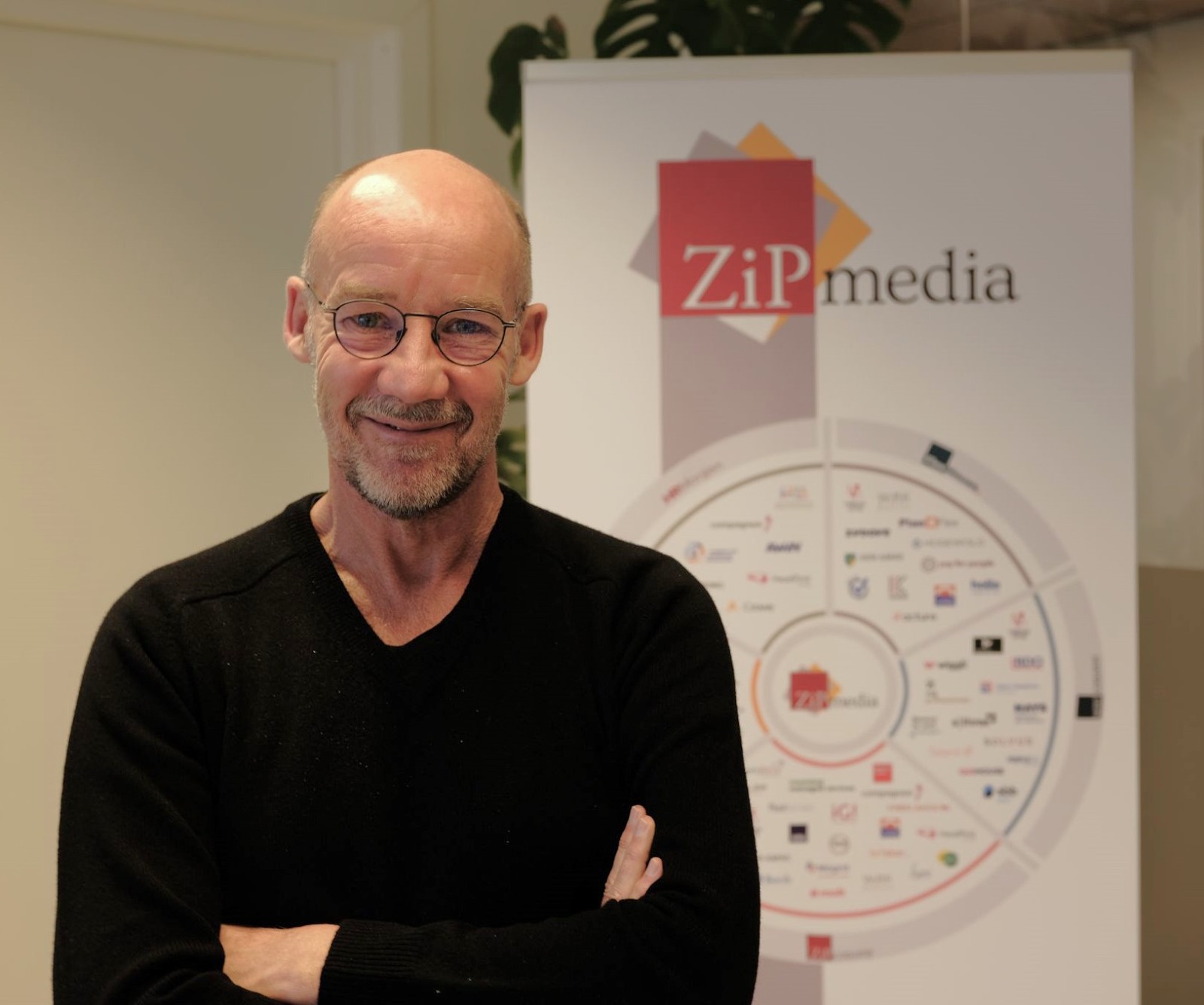
Looking back on the 2024 zzp dossier: ZiPconomy editor-in-chief Hugo Jan Ruts on the 'superficial political discussions' on the zzp dossier and why vision for the labor market is really needed now
"Much has been said and written this year, but as yet there is no clear vision for the labor market," says ZiPconomy editor-in-chief Hugo-Jan Ruts. Politicians showed little evidence of an innovative vision this year, and the level of discussion left much to be desired, he says. The 2024 zzp debate revolved mainly around repairs and restrictions, while opportunities for innovation and structural improvements were barely discussed. In conversation with Sem Overduin, of HeadFirst Group's public affairs team, Ruts critically reflects on the challenges of the past year, the political discussion and the role of journalism, but also outlines how 2025 could become a year of confrontation and perhaps much-needed change.
The so-called 'polder' plays an important role in the creation of socio-economic policy in the Netherlands. How do you view the relationship between the polder and politics with regard to the labor market and self-employed workers file?
The influence of the polder, that is something I do look at critically. Because the impression that is being created is that the polder rules. It is all very well for parties such as the SER to discuss labor market policy, but let's be honest; the polder is dominated by classical, mainly conservative, forces. They are very good at creating support and improving policy, but real innovation does not take place here. Other players are needed for that. Borstlap produced a solid report in January 2020, but the 'renewal plans' are hardly taken up by politicians and the polder. I do miss that in the polder and I find that disappointing.
You published a report this year on zzp law in international perspective. What did you want to achieve with this comparative study?
I wanted to broaden my outlook and look beyond national borders. For example, Belgium is interesting because self-employed people there have hardly any tax advantages and they pay full contributions to social security. Secondly, they have a separate law. I think those are two interesting principles. Not to adopt directly, but to think about. That law brings together labor law, entrepreneurial law and tax aspects around the specific employment relationship of the self-employed and the worker. The rules are not even very different, they are more concrete and focused. Germany is also an interesting example because they work with a categorization of self-employment based on the type of occupation. All these kinds of insights provide material for careful consideration.
What was the highlight of the zzp issue for you this year?
I don't really have one highlight, but I do have two hopeful moments. The outline agreement suggests that there will be "policies for the truly self-employed," although no one knows exactly what that means and I haven't seen much of it at this point. But anyway, it's there and hopefully that's going to take on more substance. Second, the expiration of the moratorium is important. You cannot have eight years of a law that is not enforced. Hopefully that will force all parties involved to be innovative; why am I hiring people? And under what conditions?

And a low point?
The committee debate on labor market policy in October. I did find the level of discussion and the level of questions to be a low point. It really could have been better.
What do you expect from the zzp file in 2025?
I hope that this year's hopeful signs will continue. Politically, I am somewhat less sure, as the political situation is somewhat shaky after all, and there are tensions within the coalition. I expect the first half of 2025 to be turbulent. The wishes of politicians and the policy of organizations to scale down are going to cause confrontations, because production has to continue and we are facing shortages in the labor market. So it will be a search for a new balance and we will have to compromise somewhere. There are many places in the labor market where the self-employed have become indispensable. All in all, it's going to be very interesting to follow those dynamics.
*This interview is part of a series, in which in recent weeks the Public Affairs team has interviewed several experts closely involved in issues surrounding the self-employed and the labor market. The series consists of six interviews, which will be published in the coming weeks.
Request a free consultation
Questions about this? Please contact us.
Sem Overduin
Public Policy & Affairs Manager
Sem.Overduin@headfirst.nl
Oifik Youssefi
Public Affairs Officer
Oifik.Youssefi@headfirst.nl
Maaike van Driel
Head of Legal
Maaike.vanDriel@headfirst.group
Thomas ten Veldhuijs
Senior Legal Counsel
Thomas.tenVeldhuijs@headfirst.nl